
Thymosin α1 — The Immune Modulator
Thymosin α1 (Thymalfasin) is the immune system’s tuning fork. A 28-amino-acid peptide your thymus produces naturally, it’s one of the most studied names in immune-modulation research — looked at for how the body’s T-cells and defenses are organized and kept in balance. Published batch documentation is shown on the COA page when a matching record is available.
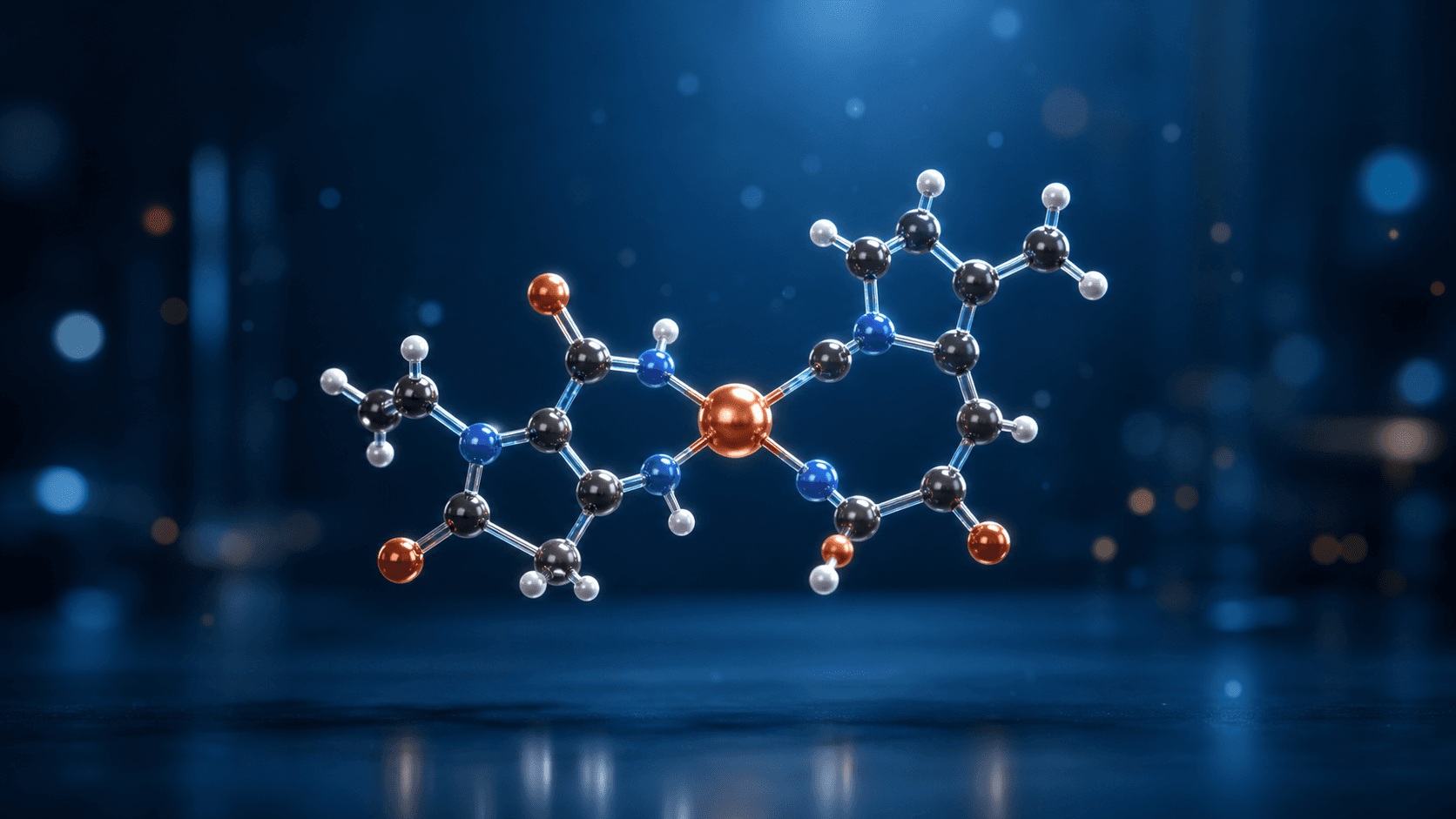
Why review Thymosin α1 with Aeternum Life
The listing identifies this item as a laboratory research material.
Identity, format, storage, and package information are shown on the product page.
Destination availability, dispatch details, and tracking are confirmed for the order.
COA records appear by product and batch when a matching record is published.
What is Thymosin α1?
Thymosin α1 (also called Thymalfasin) is a 28-amino-acid peptide produced naturally by the thymus — the gland that trains your immune cells. It’s a signaling molecule research ties to how the immune system matures, coordinates and responds.
That role makes Thymosin α1 a cornerstone of immune-modulation research — studied around T-cells, dendritic cells and the balance of immune defense. Aeternum Life supplies it as ultra-high-purity research material with a batch-specific Certificate of Analysis on every order.
Thymosin α1 is a 28-residue fragment cut from a larger precursor, prothymosin α, and it comes from the thymus — the organ where T cells learn to tell self from non-self, and which shrinks steadily from adolescence onward. That origin shapes what the research asks of it. Published work centres on Toll-like receptors, particularly TLR2 and TLR9, on the maturation of dendritic cells that present antigen, and on how T cells differentiate afterwards. It is studied as a modulator that shifts the balance of an immune response rather than as something that simply amplifies it.
Research directions

Thymosin α1 sits at the center of immune-modulation research. Here’s the focus.
The headline: Thymosin α1 is studied for how it helps organize and balance immune responses.
The thymus trains T-cells, and T-cell activity is central to Thymosin α1 research.
It’s also studied around the innate-immune players that flag threats early.
A recurring theme is balance — an immune response that’s coordinated rather than over- or under-active.
Because it’s a natural thymic peptide, it’s a reference molecule in immune-signaling research.
For research purposes only. These materials are not drugs or dietary supplements and are not intended to diagnose, treat, cure or prevent any disease.
Join the Aeternum Life community
Get research summaries, batch-record updates, restock alerts, and customer support. We do not provide dosing, reconstitution, or administration guidance.
Join our Telegram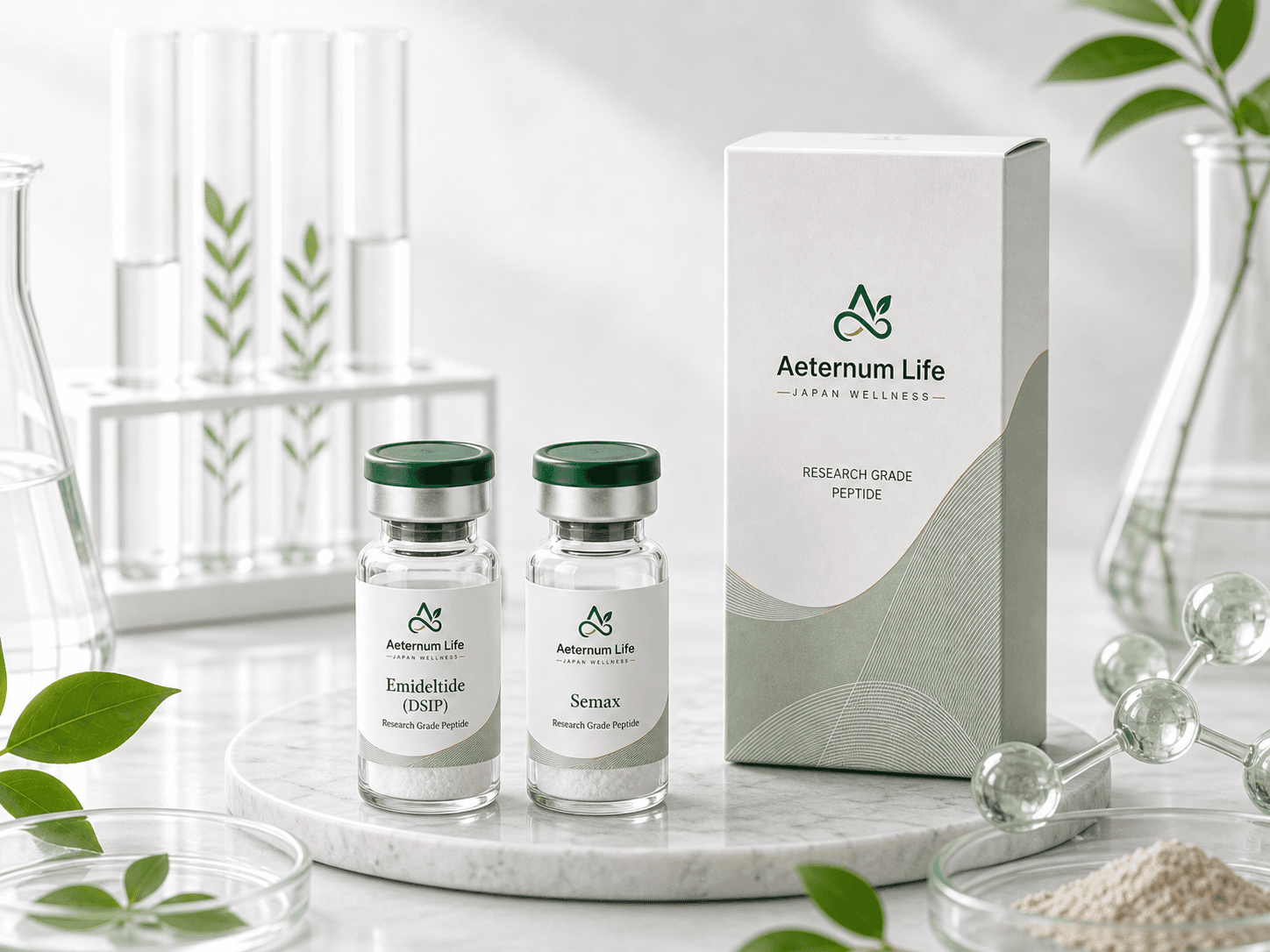
Thymosin α1 documentation
- Published product specification
- Reported purity and test date when available
- Batch number shown on matching records
- Laboratory and verification details only when supplied
The COA page shows the batch documentation currently published. Missing fields are left blank rather than inferred.
Handling & Storage
Guidance for handling Thymosin α1 as a laboratory research material.
Store lyophilized Thymosin α1 cold and protected from light, sealed and dry until use.
Handle Thymosin α1 according to standard laboratory practice for research materials.
Published batch documentation is linked when a matching record is available.
Thymosin α1 is supplied strictly for laboratory and research use. Not for human or veterinary consumption; no administration or dosing guidance is provided.
Specifications
- Name
- Thymosin α1 (Thymalfasin)
- CAS
- 62304-98-7
- Appearance
- White lyophilized powder
- Size
- 5 mg per vial
- Purity
- ≥ 99% (HPLC, see COA)
- Storage
- Store at 2–8°C, protect from light
For research use. Not intended to diagnose, treat, cure or prevent any disease.
Frequently asked questions
How does Thymosin α1 differ from Thymosin β4?
Only the name is shared. Thymosin α1 is a 28-residue immune-signalling peptide studied around Toll-like receptors and T-cell differentiation. Thymosin β4 is a 43-residue actin-binding protein studied around tissue repair and cell migration. They come from unrelated protein families and are researched in entirely different contexts.
What is Thymosin α1 studied for?
It’s studied in immune-modulation research — T-cells, dendritic cells and immune balance. We share these as research directions, not medical claims.
Is it the same as Thymosin β4?
No — different families. Thymosin α1 is studied for immune modulation, while Thymosin β4 is a tissue-repair protein.
Is Thymosin α1 for human use?
No. Aeternum Life supplies Thymosin α1 strictly as a research-grade material for laboratory research. It is not sold for human or veterinary consumption.
Is a COA available for Thymosin α1?
Published COA records are available by product and batch when a matching record exists. Laboratory and verification details appear only when stated in that record.
About Aeternum Life
Aeternum Life Limited publishes clearly labeled laboratory research materials and accessories, with specifications and available batch documentation.
Keep up with the Thymosin α1 research
New reviews, data and study summaries — sent when there is something worth reading, not on a schedule.
No spam. Unsubscribe anytime.
Questions before you order?
Message us on WhatsApp for pricing, bulk quotes, stock, shipping and order support — a real person, usually within a few hours.
Message us on WhatsAppExplore the full Aeternum Life range
Thymosin α1 is part of the Aeternum Life research catalog. Review its intended-use status, specifications, and any currently published batch record before ordering.
Browse all products