
KPV — The Anti-Inflammatory Tripeptide
KPV is small but mighty — just three amino acids (Lys-Pro-Val) clipped from the tail of α-MSH, one of the body’s own calming signals. Stripped down to its anti-inflammatory core, KPV is studied wherever inflammation and the gut lining meet, which is why it’s a favorite in “gut-repair” research. Published batch documentation is shown on the COA page when a matching record is available.
Bulk price for 3+ vials · stock & delivery time — usually replies within a few hours
- ✓ Available payment methods confirmed in cart
- ✓ Published batch record when available
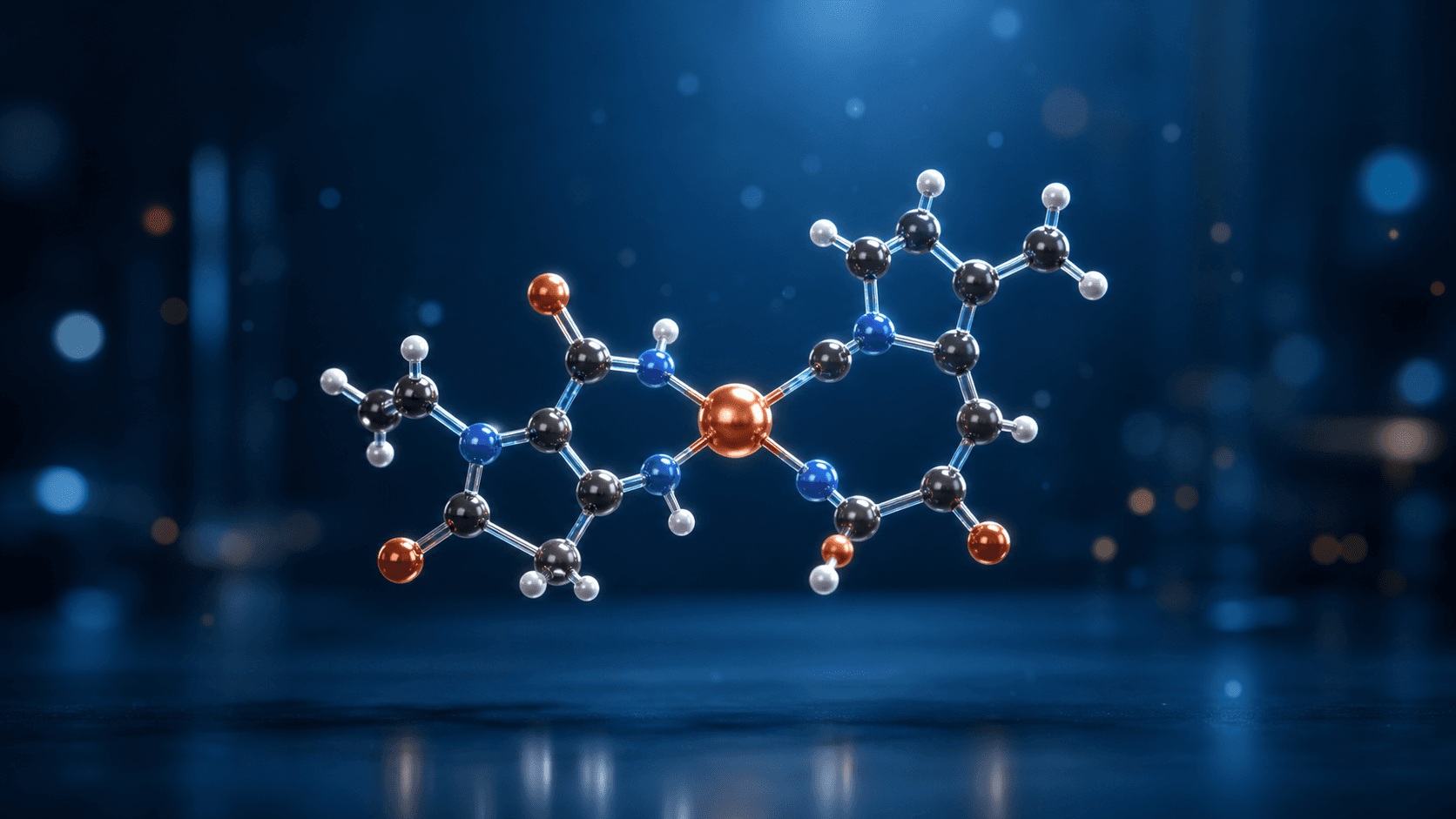
Why review KPV with Aeternum Life
The listing identifies this item as a laboratory research material.
Identity, format, storage, and package information are shown on the product page.
Destination availability, dispatch details, and tracking are confirmed for the order.
COA records appear by product and batch when a matching record is published.
What is KPV?
KPV is a tripeptide — Lys-Pro-Val — the active tail of α-MSH (alpha-melanocyte-stimulating hormone), one of the body’s natural signals for calming inflammation. By using just this three-amino-acid piece, research focuses on the anti-inflammatory action without α-MSH’s pigmentation effects.
That focus is why KPV is a staple of gut and inflammation research — studied around the intestinal lining, plus skin and wound models. It’s a frequent partner to BPC-157 in “gut-repair” stacks. Aeternum Life supplies it as ultra-high-purity research material with a batch-specific Certificate of Analysis on every order.
Structurally KPV is about as small as a bioactive peptide gets — three residues, no disulfide bridges, no folding to speak of — which is part of why it behaves so differently from the larger repair peptides. The mechanistic work describes it entering cells directly and acting from the inside on NF-κB signalling, the master switch that turns inflammatory gene expression on, rather than docking onto a receptor at the cell surface. That intracellular route is what most KPV papers set out to characterise, and it is why the tripeptide keeps reappearing in colitis, wound-healing and skin-irritation models.
Research directions
KPV is studied where inflammation and repair overlap. Here are the main directions.
The headline: KPV carries the anti-inflammatory core of α-MSH, and that’s the center of its research.
It’s a favorite in gut research — the intestinal lining and inflammatory-bowel models.
KPV is also studied around skin and wound-healing models.
By using only the tripeptide tail, it drops α-MSH’s pigmentation effects and keeps the calming signal.
It’s commonly researched alongside BPC-157 in gut-repair stacks.
For research purposes only. These materials are not drugs or dietary supplements and are not intended to diagnose, treat, cure or prevent any disease.
Join the Aeternum Life community
Get research summaries, batch-record updates, restock alerts, and customer support. We do not provide dosing, reconstitution, or administration guidance.
Join our Telegram
KPV documentation
- Published product specification
- Reported purity and test date when available
- Batch number shown on matching records
- Laboratory and verification details only when supplied
The COA page shows the batch documentation currently published. Missing fields are left blank rather than inferred.
Handling & Storage
Guidance for handling KPV as a laboratory research material.
Store lyophilized KPV cold and protected from light, sealed and dry until use.
Handle KPV according to standard laboratory practice for research materials.
Published batch documentation is linked when a matching record is available.
KPV is supplied strictly for laboratory and research use. Not for human or veterinary consumption; no administration or dosing guidance is provided.
Specifications
- Name
- KPV (Lys-Pro-Val)
- CAS
- 67727-97-3
- Sequence
- Lys-Pro-Val
- Appearance
- White lyophilized powder
- Size
- 10 mg per vial
- Purity
- ≥ 99% (HPLC, see COA)
- Storage
- Store at 2–8°C, protect from light
For research use. Not intended to diagnose, treat, cure or prevent any disease.
Frequently asked questions
How is KPV different from α-MSH itself?
KPV is only the final three residues of α-MSH. The full hormone also drives pigmentation through melanocortin receptors, while the tripeptide fragment is studied specifically because it carries the anti-inflammatory signalling without that receptor activity. That separation is the entire reason KPV exists as a research material in its own right.
What is KPV studied for?
It’s studied around inflammation and the gut lining, plus skin and wound models. We share these as research directions, not medical claims.
Why is it paired with BPC-157?
KPV (anti-inflammatory) and BPC-157 (repair) target the gut from two angles, which is why they’re so often researched together.
Is KPV for human use?
No. Aeternum Life supplies KPV strictly as a research-grade material for laboratory research. It is not sold for human or veterinary consumption.
Is a COA available for KPV?
Published COA records are available by product and batch when a matching record exists. Laboratory and verification details appear only when stated in that record.
About Aeternum Life
Aeternum Life Limited publishes clearly labeled laboratory research materials and accessories, with specifications and available batch documentation.
Keep up with the KPV research
New reviews, data and study summaries — sent when there is something worth reading, not on a schedule.
No spam. Unsubscribe anytime.
Questions before you order?
Message us on WhatsApp for pricing, bulk quotes, stock, shipping and order support — a real person, usually within a few hours.
Message us on WhatsAppExplore the full Aeternum Life range
KPV is part of the Aeternum Life research catalog. Review its intended-use status, specifications, and any currently published batch record before ordering.
Bulk price for 3+ vials · stock & delivery time — usually replies within a few hours
- ✓ Available payment methods confirmed in cart
- ✓ Published batch record when available